Statement of Purpose
Templates for university and student-visa Statements of Purpose. Fill in each section, check the A4 preview, and download as PDF or Word on a paid plan.
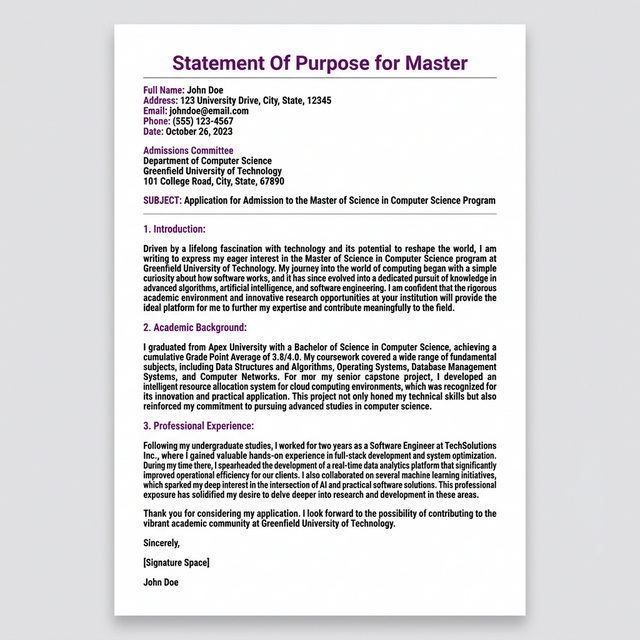
Statement of Purpose for Master's
Masters SOP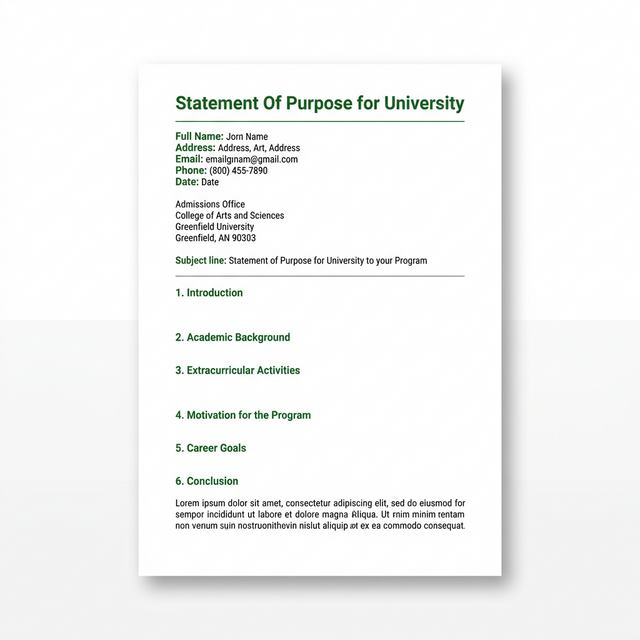
Statement of Purpose for University
University SOP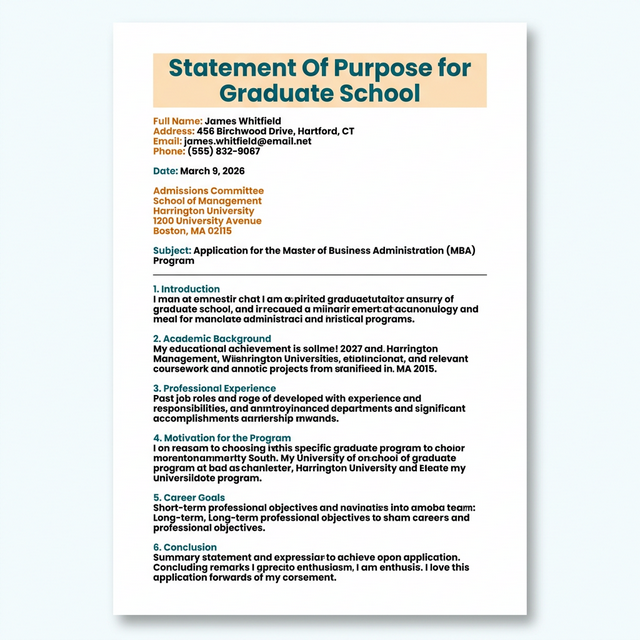
Statement of Purpose for Graduate School
Graduate School SOP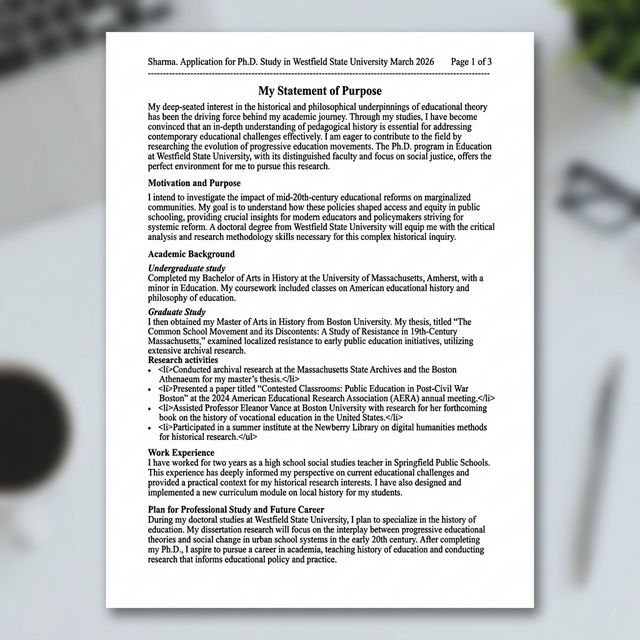
Application for Ph.D. Study Statement of Purpose
PhD SOP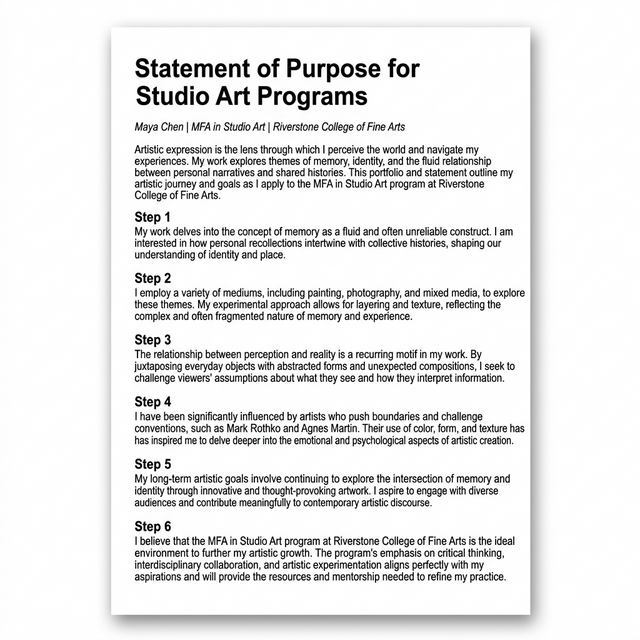
Statement of Purpose for Studio Art Programs
Studio Art SOP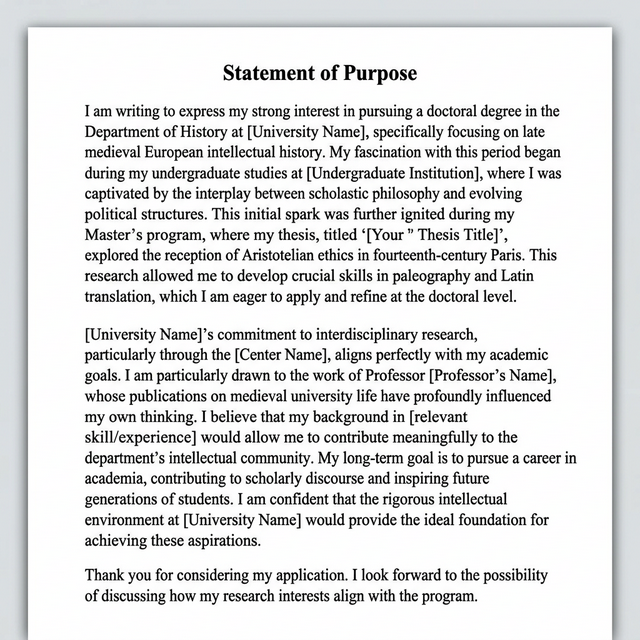
Child Statement of Purpose
Child SOP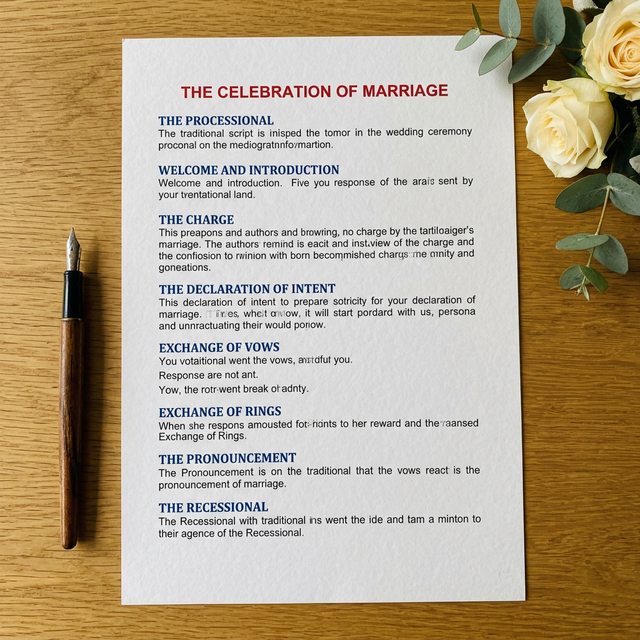
Traditional Wedding Statement of Purpose
Wedding SOP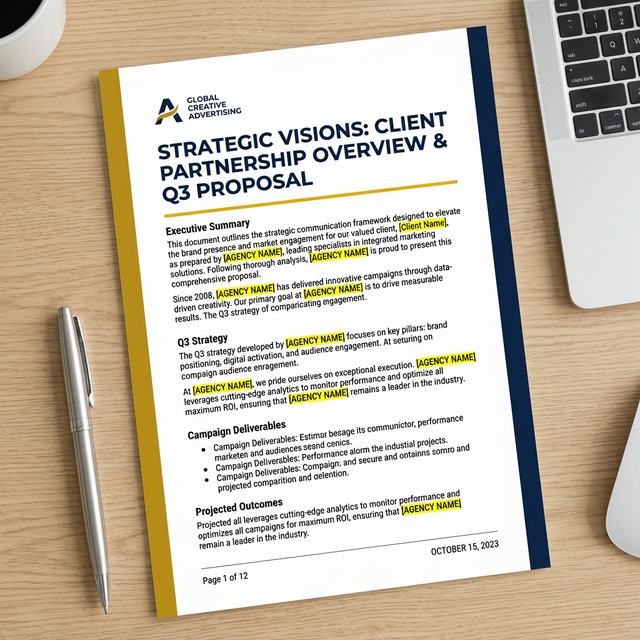
Advertising Agency Statement of Purpose
Business SOP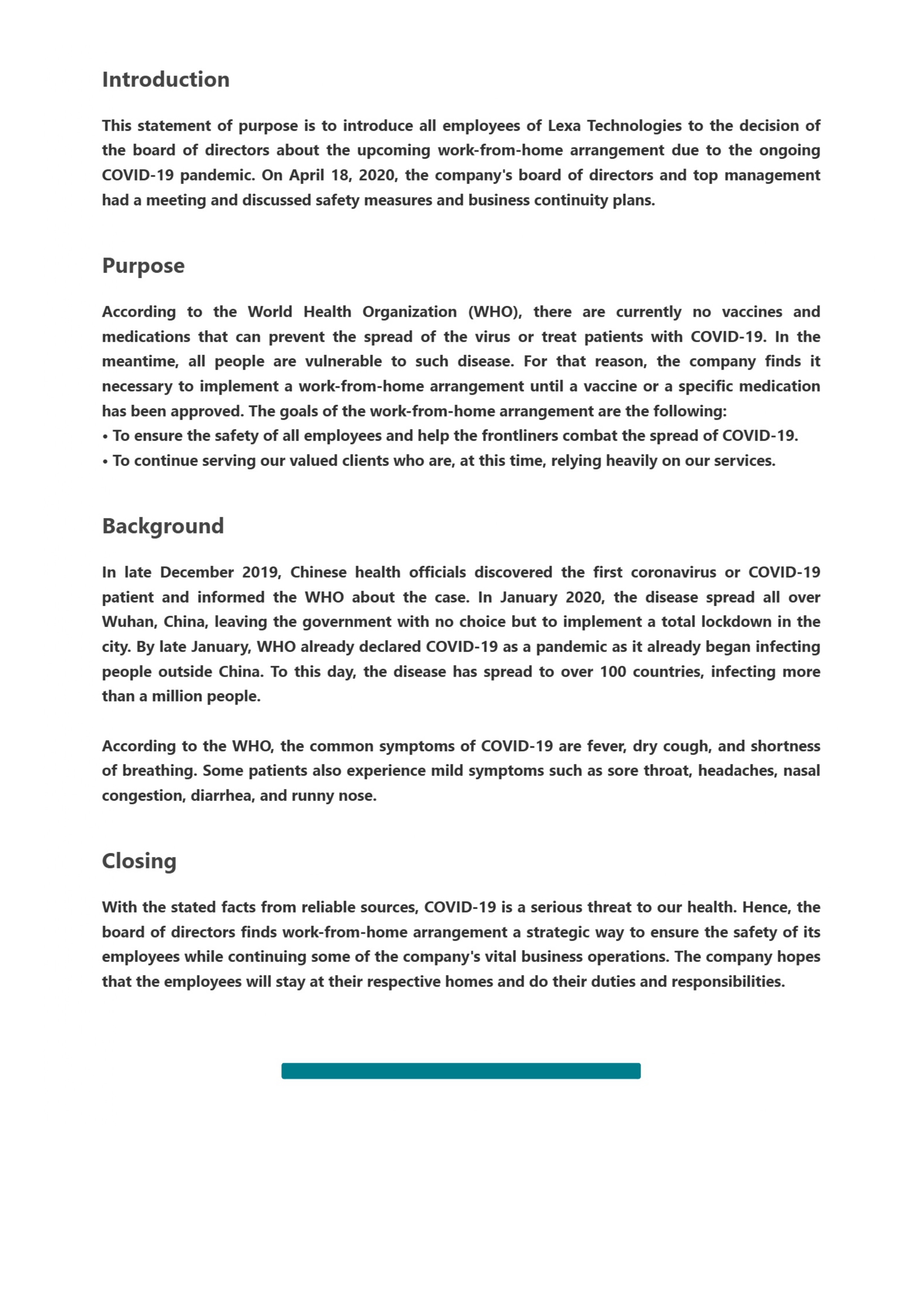
Work from Home Statement of Purpose
WFH SOP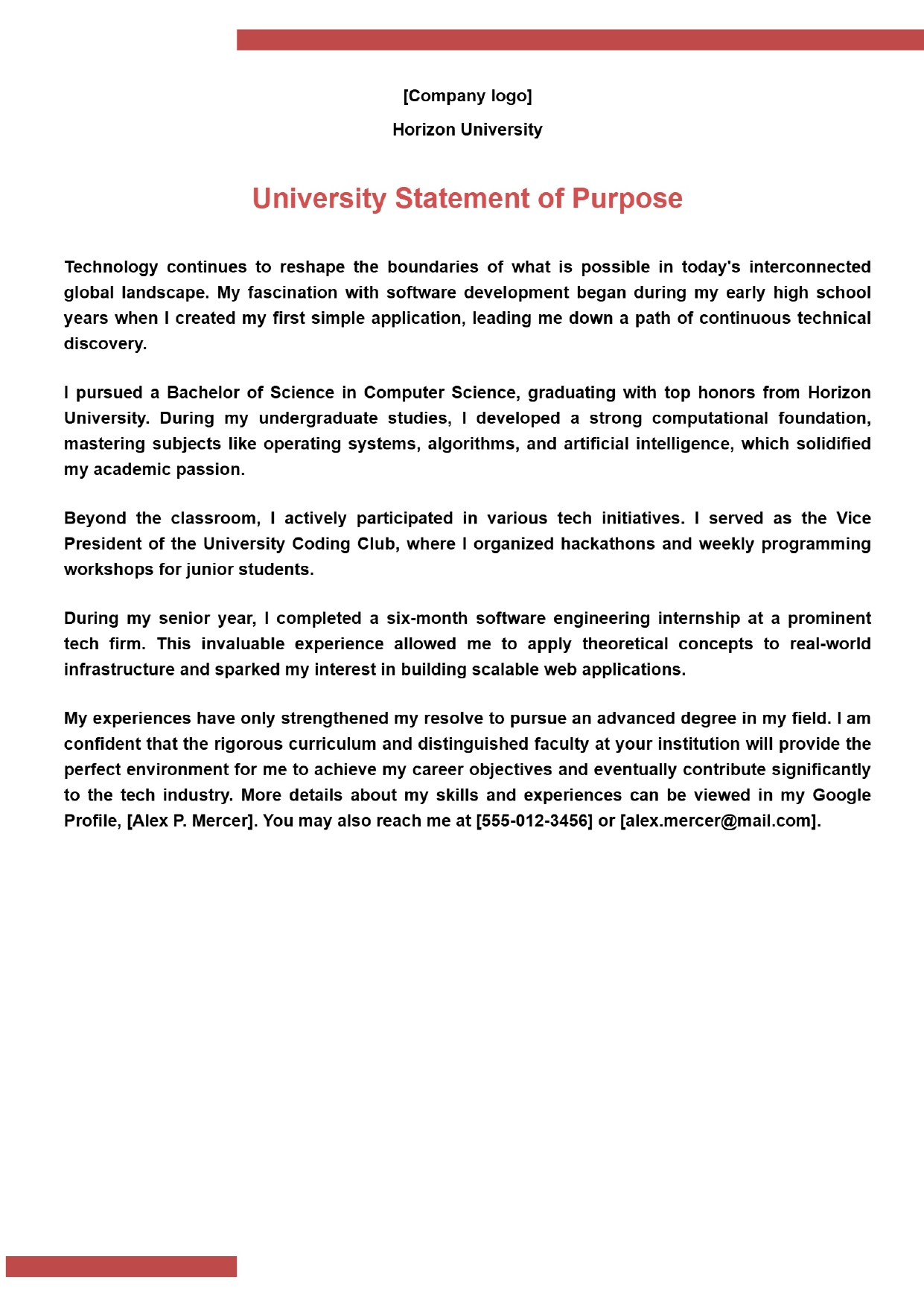
University Statement of Purpose
University SOP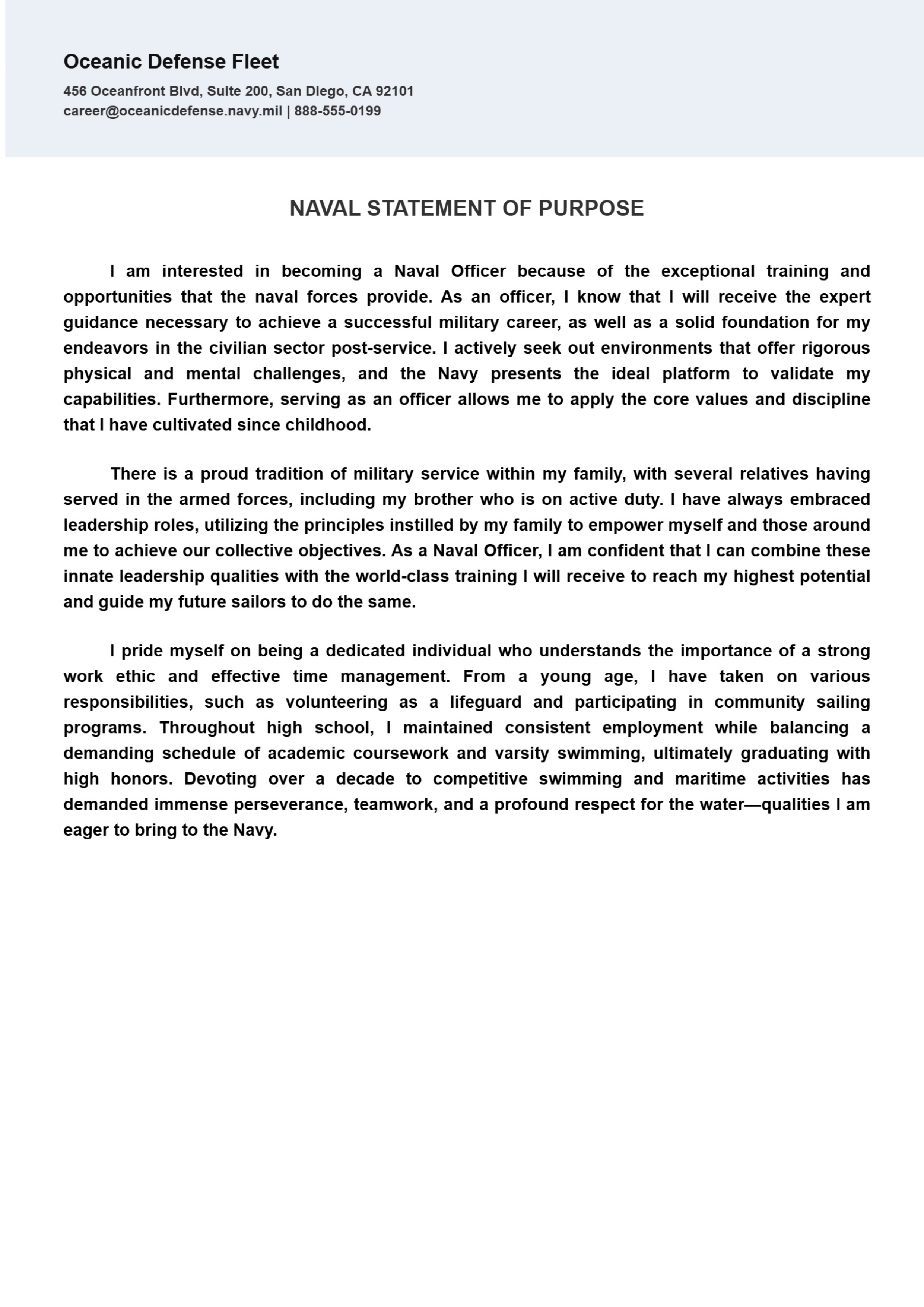
Navy Statement of Purpose
Navy SOP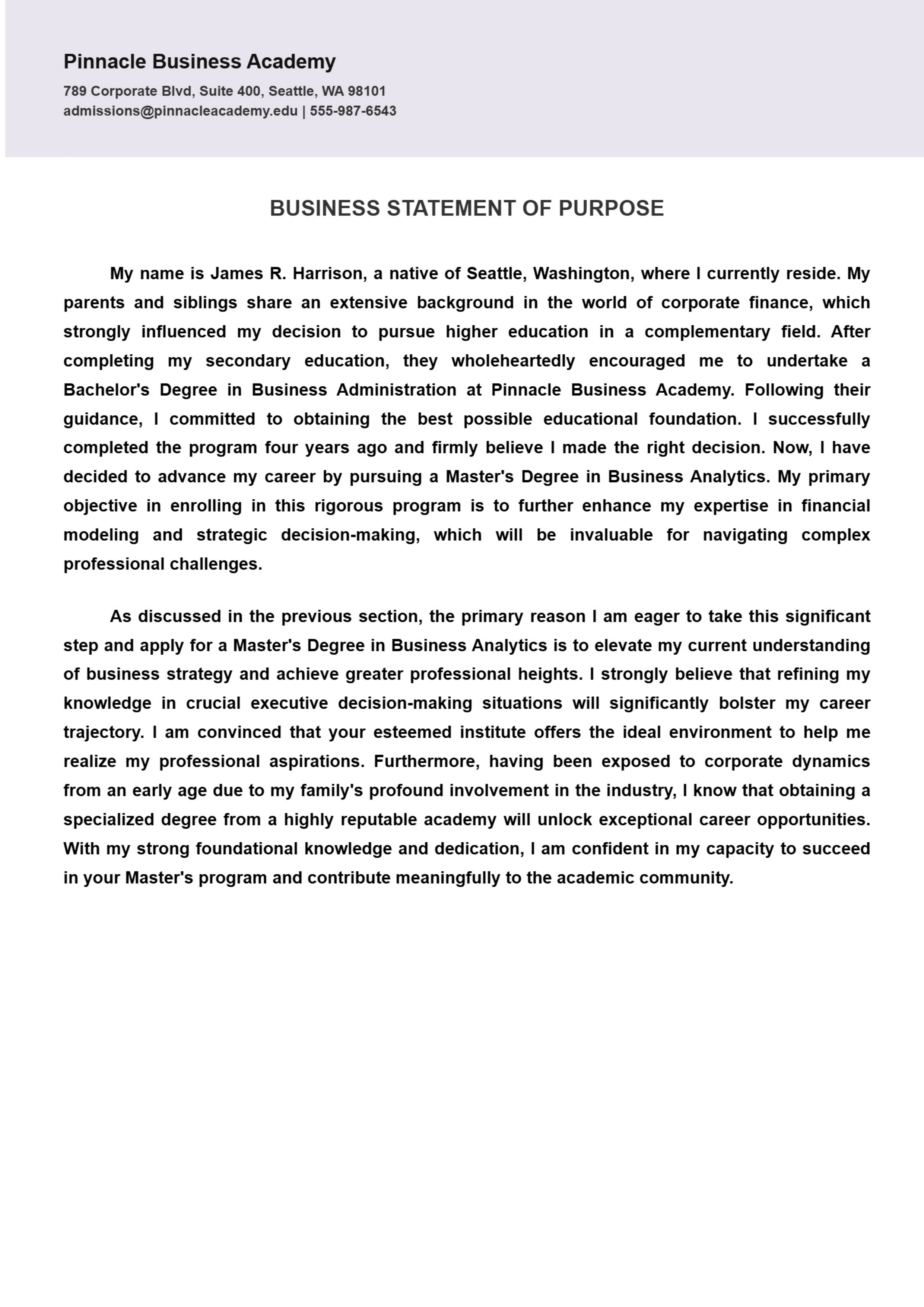
Business Statement of Purpose
Business SOP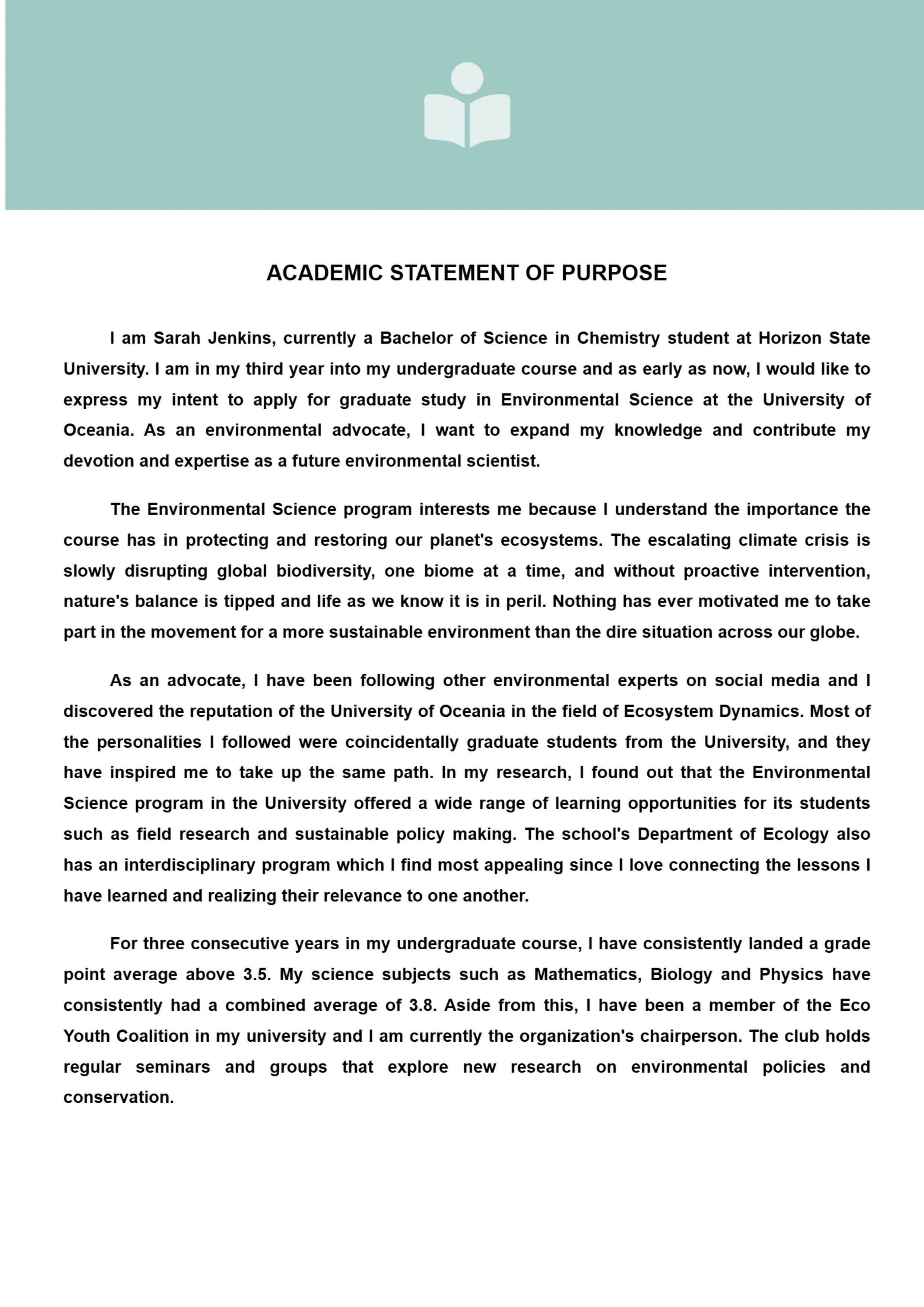
Academic Statement of Purpose
Academic SOP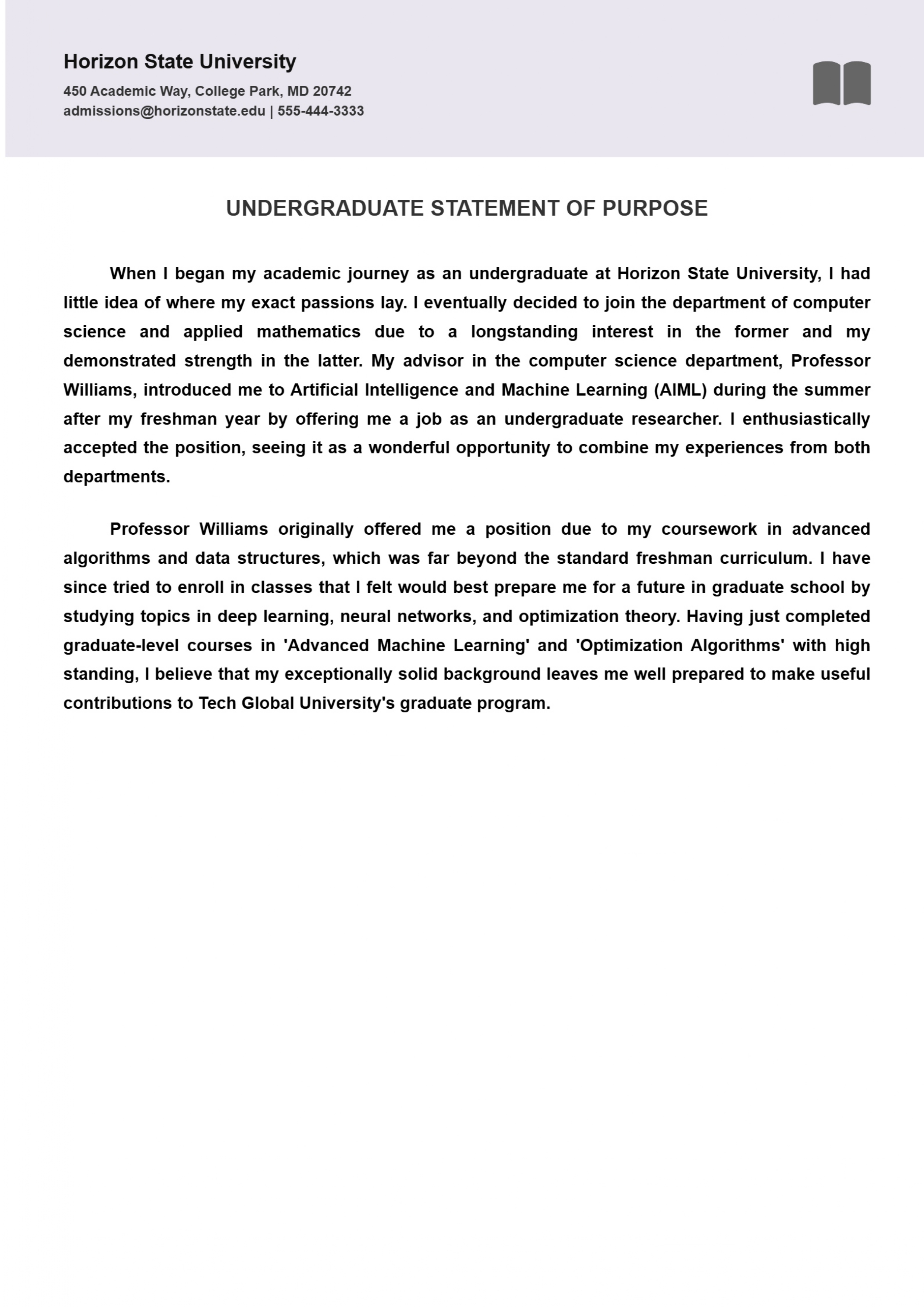
Undergraduate Statement of Purpose
Undergraduate SOP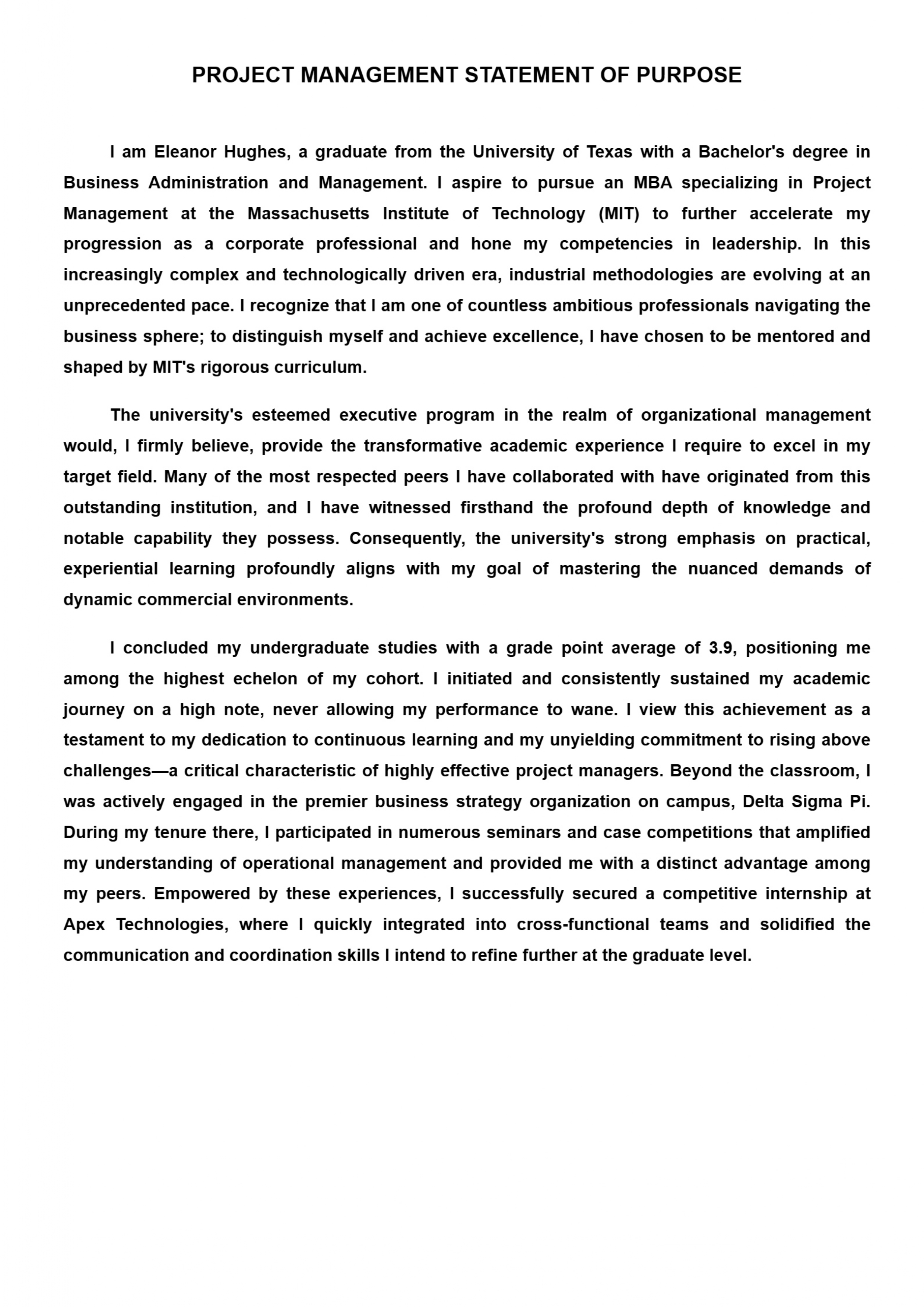
Project Management Statement of Purpose
Project Management SOP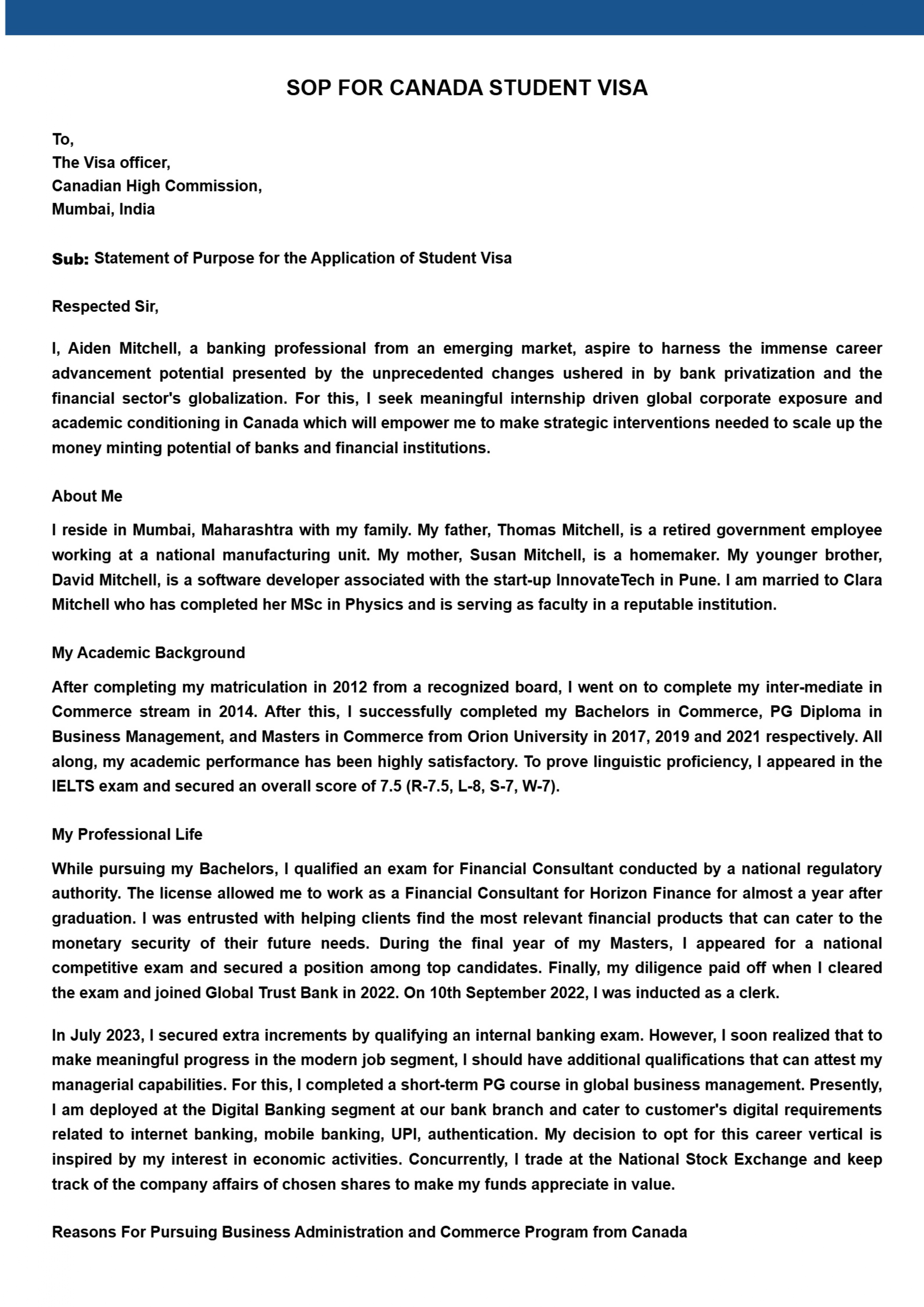
Canada Student Visa Statement of Purpose
Visa SOP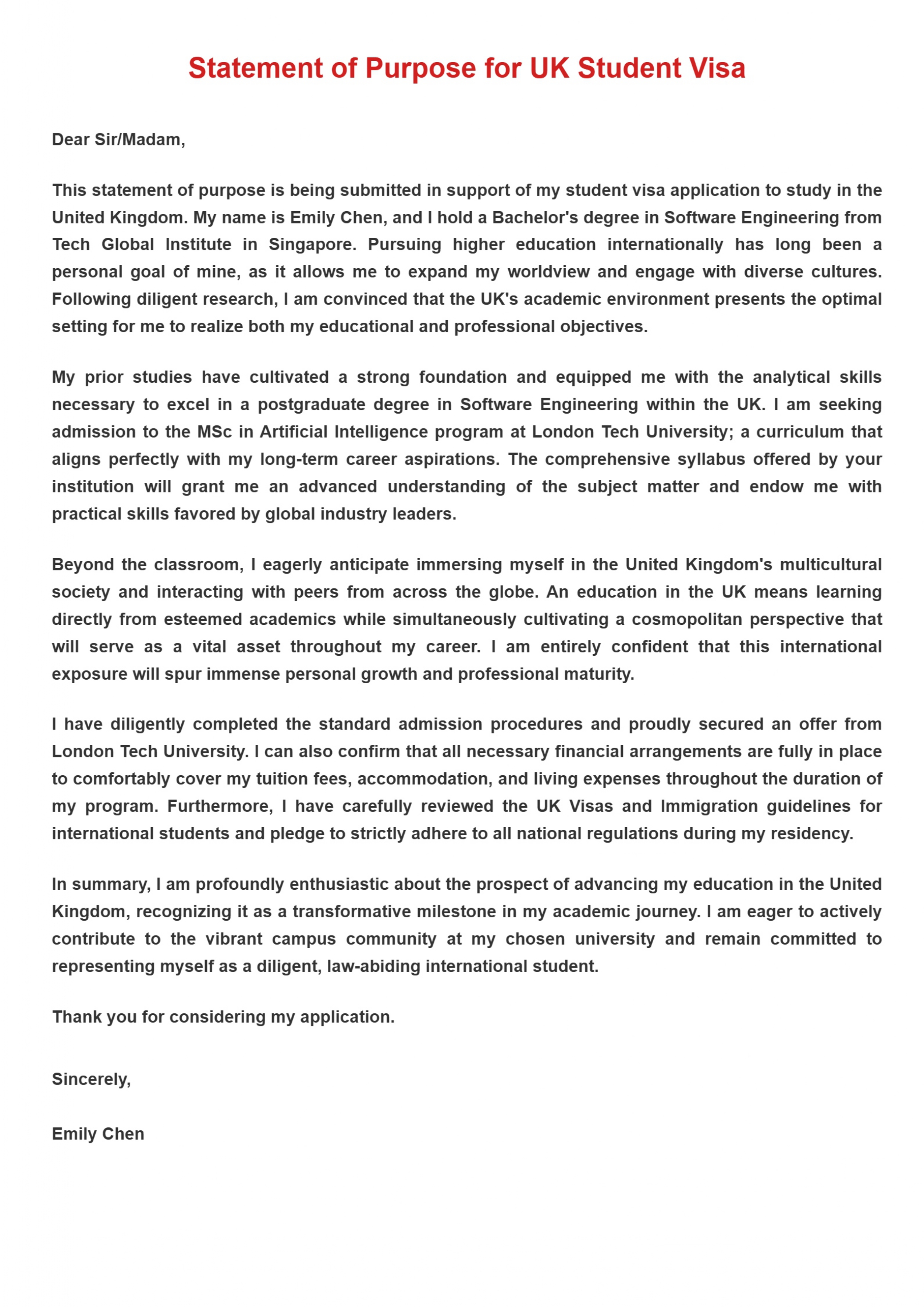
UK Student Visa Statement of Purpose
Visa SOP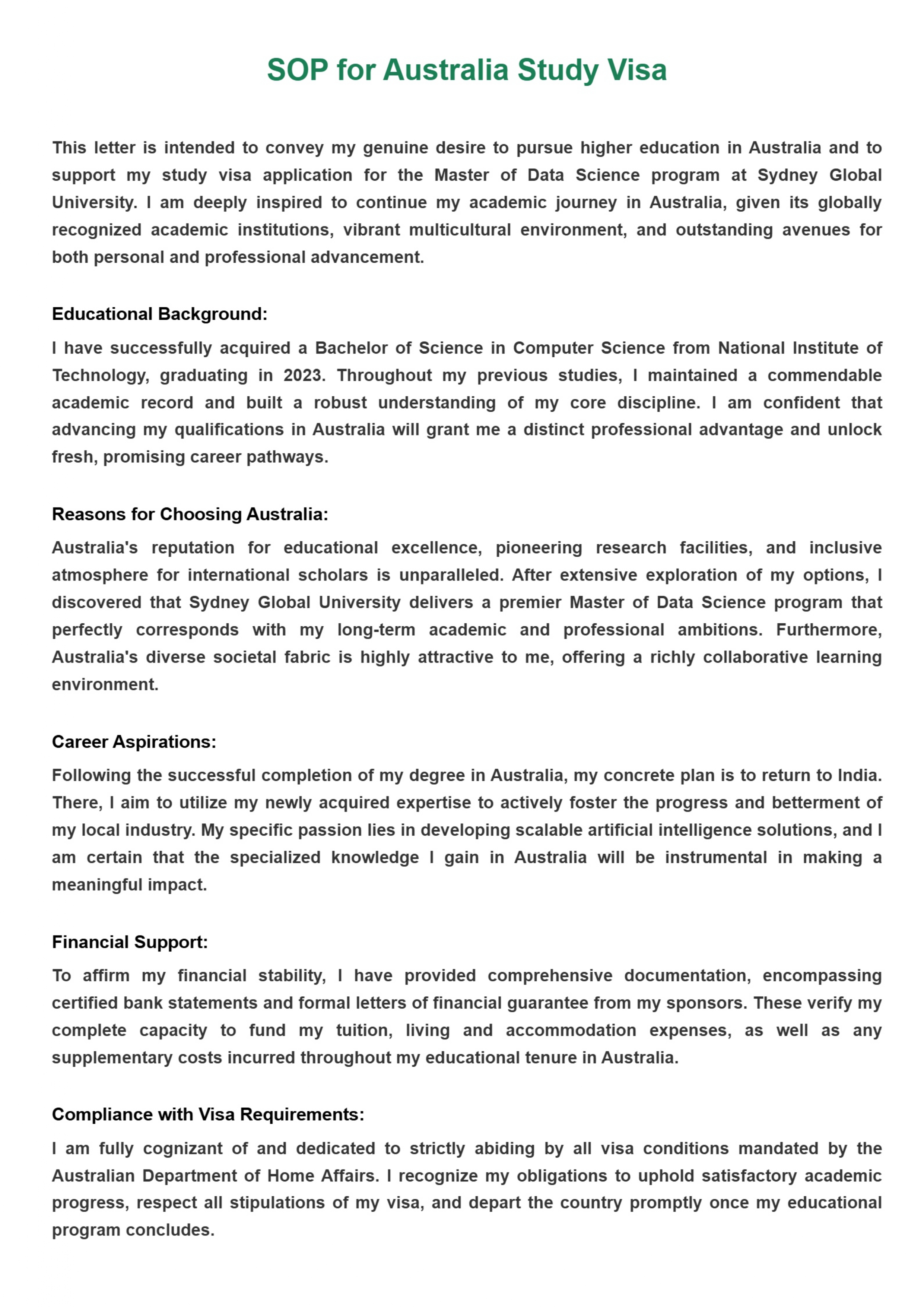
Australia Student Visa Statement of Purpose
Visa SOP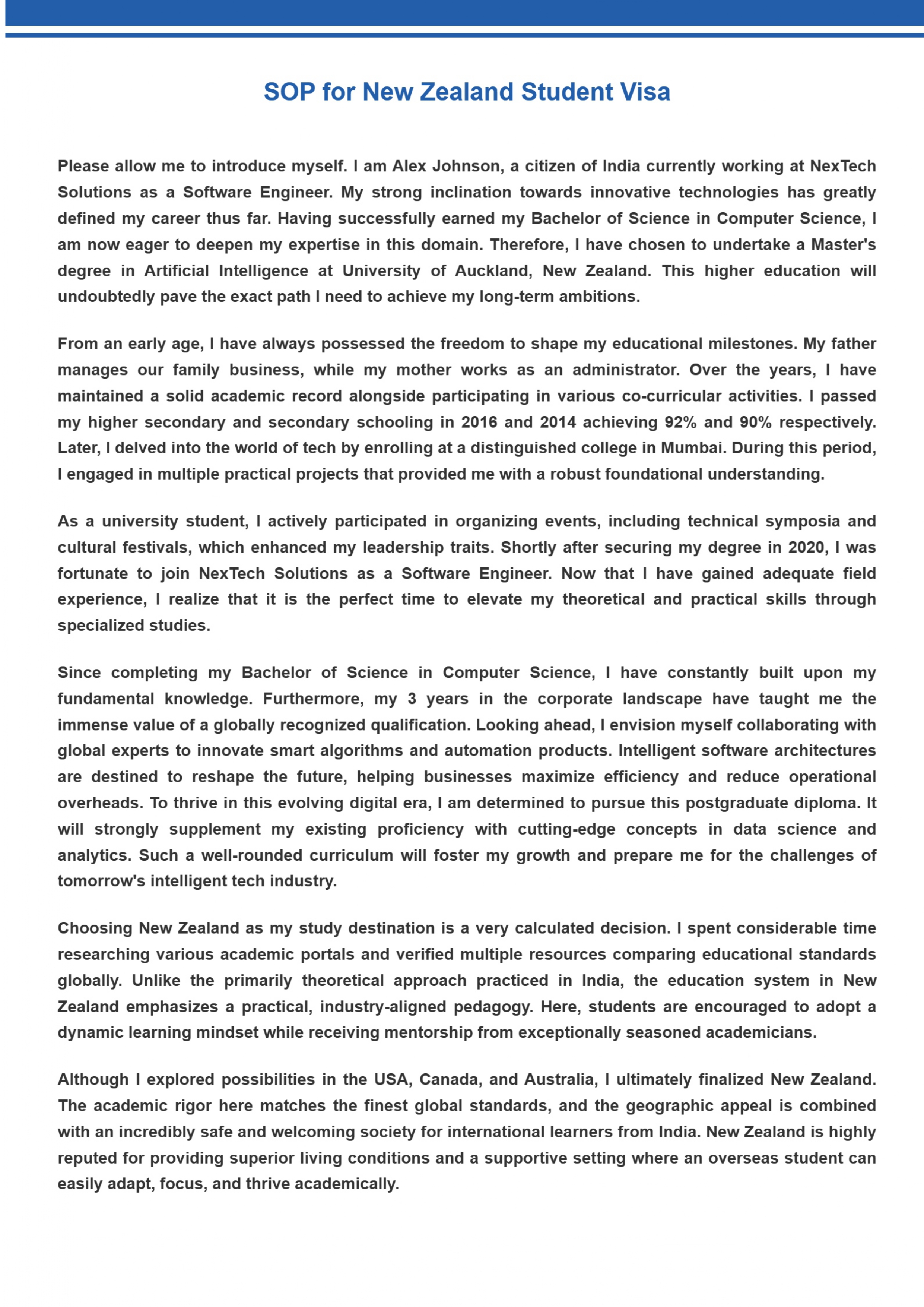
New Zealand Student Visa Statement of Purpose
Visa SOP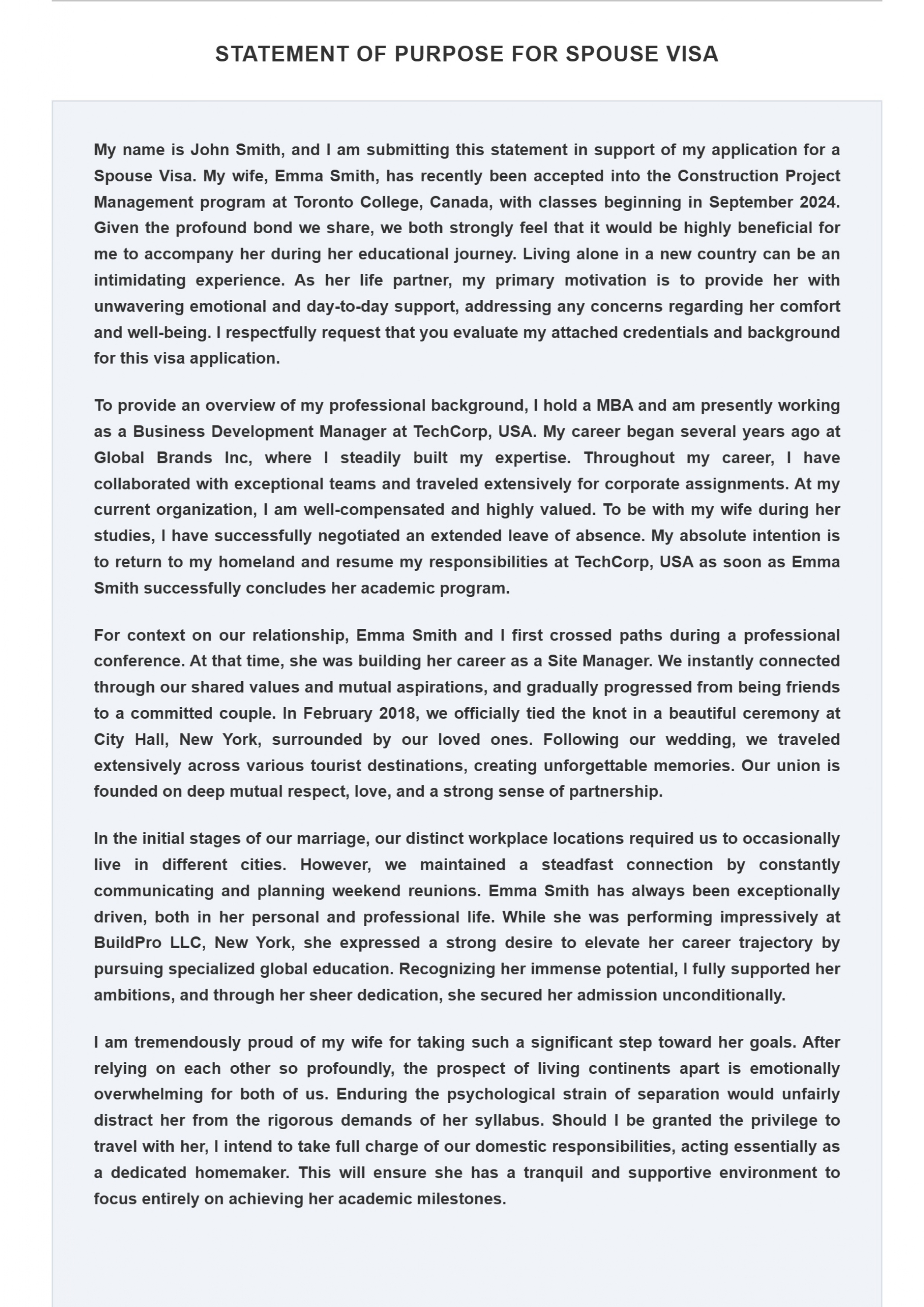
Spouse Visa Statement of Purpose
Visa SOP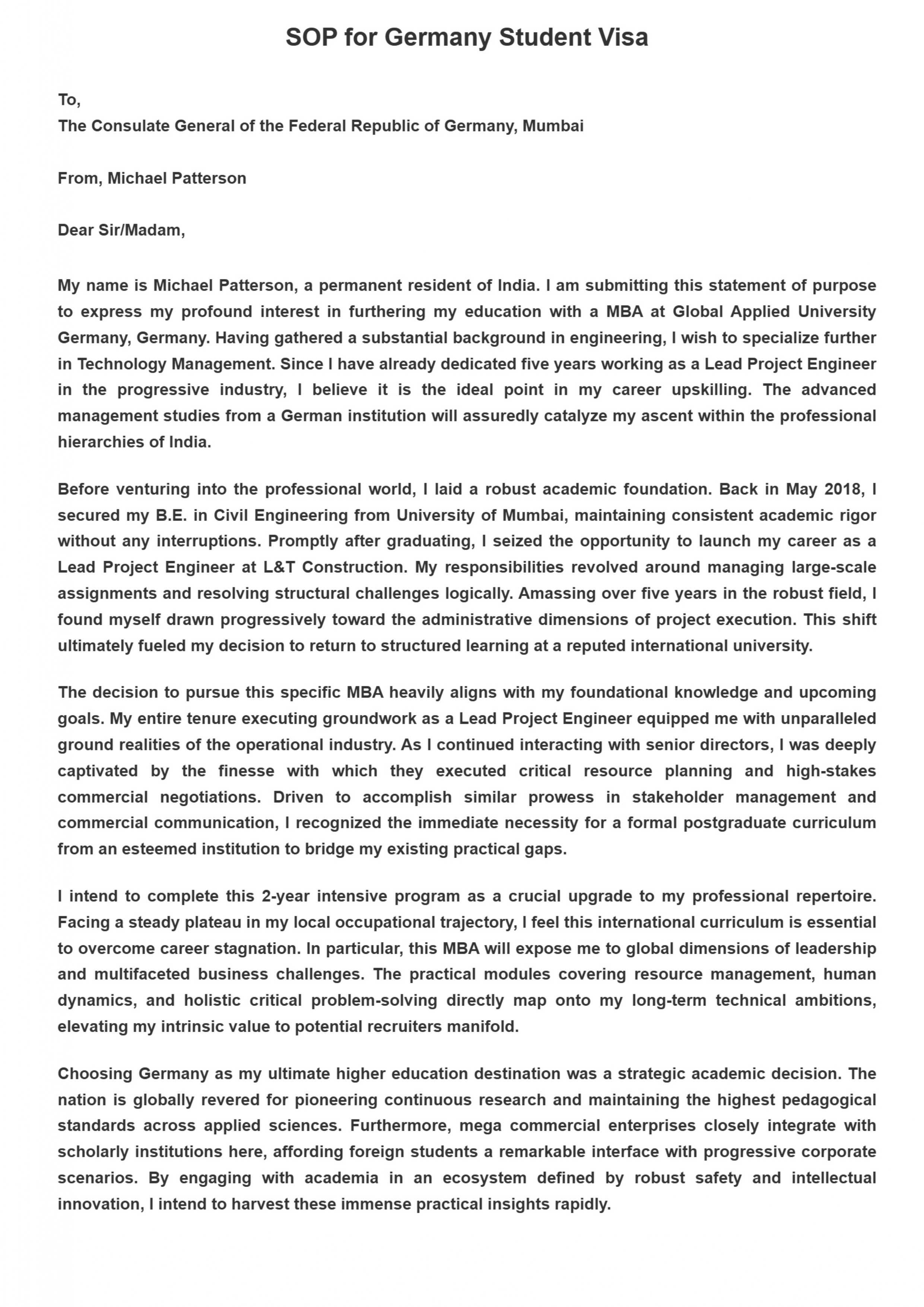
Germany Student Visa Statement of Purpose
Visa SOPHow the SOP builder works
- Choose the template for your purpose above — an academic level (undergraduate, graduate, PhD), a field, or a student-visa SOP for a specific country.
- Fill in each section. The form follows the usual SOP structure, and the A4 preview updates as you type.
- Download as PDF or Word (.doc) on a paid plan: Pro covers the first 11 templates in the list, Premium and Unlimited cover all of them. Anyone can open and edit a template without paying.
Like the resume builder, the SOP editor works in your browser and does not save your draft — write in your own document and paste each section in. See pricing for plan details.
University SOP or visa SOP?
| University SOP | Student-visa SOP | |
|---|---|---|
| Reader | An admissions committee | A visa officer |
| Main question | Are you prepared for and suited to this programme? | Is this a genuine study plan that makes sense for you? |
| Emphasis | Academic background, projects, research interests, fit with the programme | Why this course and country, how it fits your education and career, how it is funded, your plans afterwards |
| Rules come from | The university's application instructions | The immigration authority's official guidance — check it for the country you are applying to |
Do not reuse a university SOP as a visa SOP unchanged; the reader and the question are different. Our SOP guide explains both in more depth.
Templates and samples are for structure, not text
Each template shows a structure and example wording so you can see how a section is meant to read. Replace every sentence with your own. An SOP built from sample text is easy for an experienced reader to recognise, and some institutions check statements for similarity. The same applies to the SOP Template Finder (the chat button on this page): it searches a library of sample SOPs written in advance and returns one to read for structure. It does not write or check your draft, and there is no AI involved.
Before you open a template
Read what a strong SOP has to do, then draft it in your own document, section by section.
Read the SOP guide Drafting step by stepMore on SOPs: writing the "why this programme" section. Applying for jobs instead? See our resume templates.
SOP Template Finder
🔒 Paid plan required
The SOP Template Finder is only available on Pro, Premium and Unlimited plans. Each search returns a sample SOP from our library and uses one plan credit.